


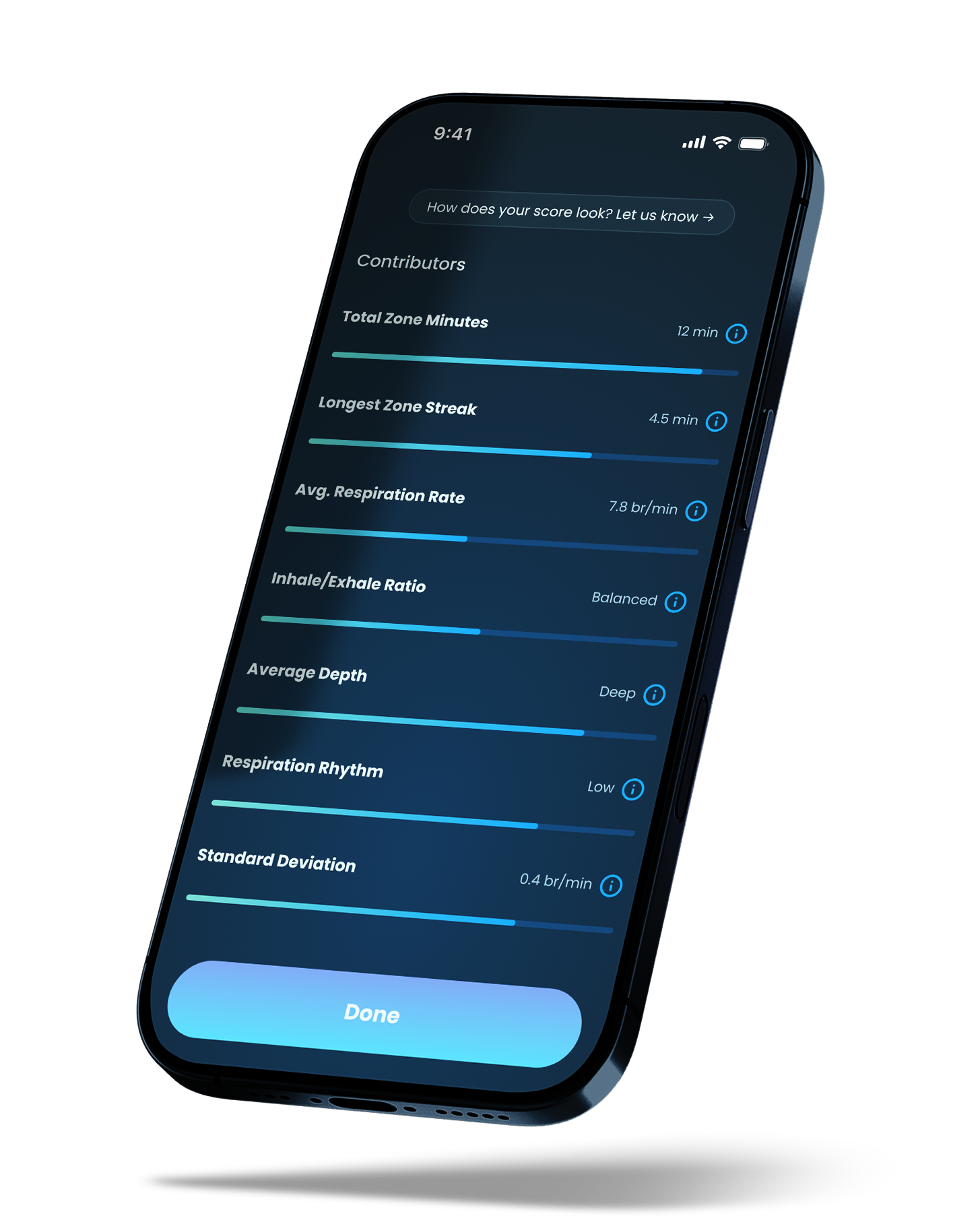
The ScienceBuilt on science. Made for real Life.
Equa’s training is grounded in psychology and neuroscience.
Our work comes directly from the world-leading Health and Human Performance Lab at Carnegie Mellon University.
We translate those insights and findings straight into the app.
No speculation, no magic. Just real science that really works.
Designed to work outside the meditation session
Mindfulness is most effective when it’s integrated into daily life.
That’s why Equa focuses on practical techniques you can use:
At work
At school
In conversations
Under pressure
In moments that actually matter

What the research shows
Meaningful change, fast.
Feeling calmer is only the beginning. In 3 days of mindfulness training you’ll rewire your brain at rest. Source
Within 14 days of training, you may see impacts to cortisol and blood pressure as you change how your brain responds to stress. Source
Better focus and attention.
Our training improves attentional control and sustained focus, even in demanding environments. Source
Improved mood and day-to-day wellbeing.
Participants report higher mood and greater daily happiness, not just during meditation, but throughout their lives. Source
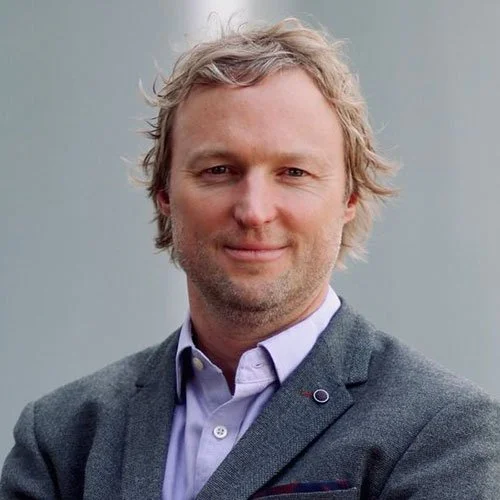
Dr. David Creswell
Chief of Science
Dr. David Creswell is Co-Founder and Chief of Science at Equa. He is a Professor in Psychology and Neuroscience at Carnegie Mellon University, and Principal Investigator of the Health and Human Performance Laboratory. David has published over 75 scientific articles and several books, including the foundational Handbook of Mindfulness. For his work on mindfulness, he has received early career awards from the Association for Psychological Science, the American Psychological Association, the Social Personality Health Network, and the American Psychosomatic Society.
Dr. Creswell has written the full story about how he got into the science of mindfulness training.
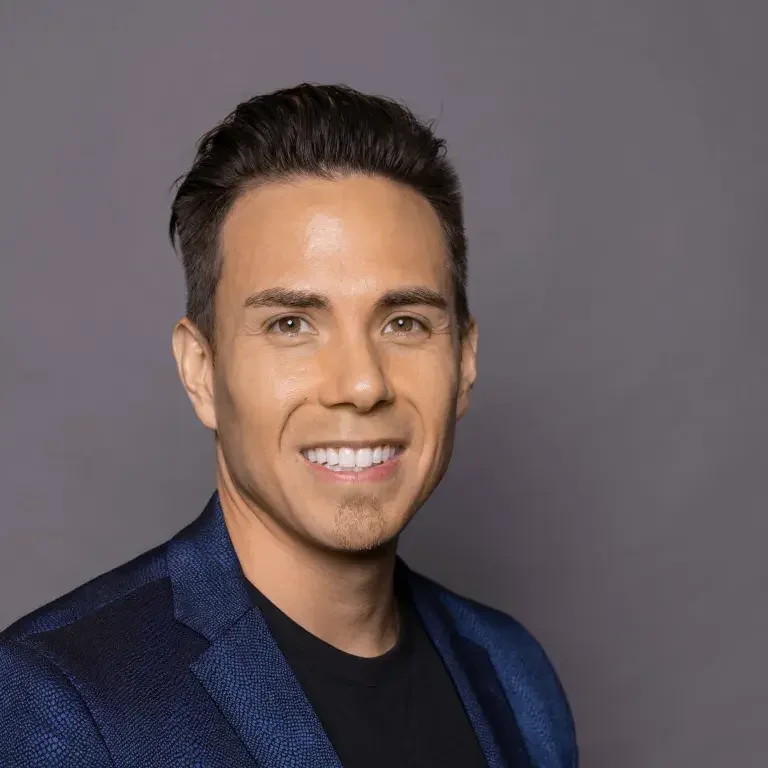
Apolo Ohno
Olympic Training
Nearly 25 years ago, David met Apolo Ohno while serving as a coach with the Short Track Speed Skating team at the U.S. Olympic Training Center in Colorado Springs. There, the two worked together to create a meditation and visualization routine to run through each tactical decision Apolo would make in advance of his races. In a setting where every micro-decision counts, this type of psychological preparation helped Apolo perform better under the pressures of Olympic competition.
Apolo has written extensively about his training with David, and how meditation helped him become the most decorated US Winter Olympian. From these early experiences David built a science of mindfulness meditation training, and he continues to consult with elite athletes.
What David also learned is that the applications of his research translate to populations far beyond the world’s top athletes. The science in his lab has shown that learning equanimity skills – or the resilience muscle – is critical to improving happiness, lowering feelings of loneliness, and can significantly reduce stress biology reactivity over time.
For his contributions to exploring the furthest reaches of mindfulness training in healthy and patient populations, the magazine Mindfulness recognized Dr. Creswell as one of the top 10 researchers in the world you should know.
Below we provide links to all of our mindfulness scientific papers. But if there’s one you should read, it is this review that Dr. Creswell wrote describing the state of the science on mindfulness, which was recognized as the most cited annual review paper in 2017.
For a list of all publications, click here.